Gift Ideas for Grandparents Day

July 28th, 2010

The impetus for a National Grandparents Day originated with Marian McQuade, a housewife in Fayette County, West Virginia. Her primary motivation was to champion the cause of lonely elderly in nursing homes. She also hoped to persuade grandchildren to tap the wisdom and heritage their grandparents could provide. President Jimmy Carter, in 1978, proclaimed that National Grandparents Day would be celebrated every year on the first Sunday after Labor Day.
When is Grandparents Day?
In 2010, Grandparents Day falls on Sept. 12th

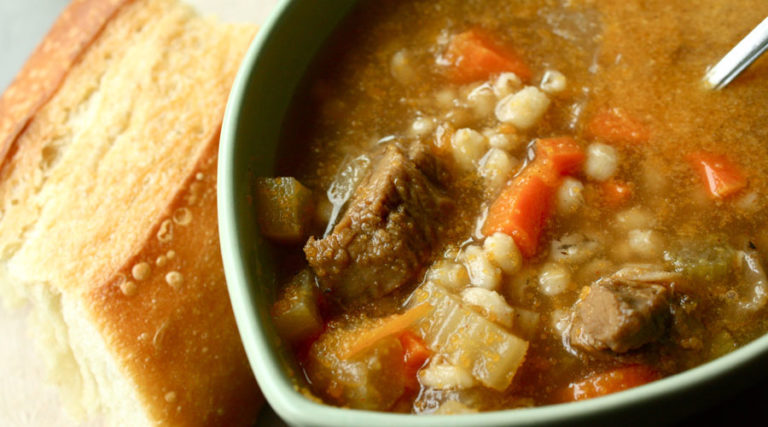
Seniors  typically don’t eat as well as they used to. They lose interest in cooking, and if they live by themselves, cooking for one seems like too much of a chore.  If you are caring for a parent that lives far away, MagicKitchen.com chefs have created delicious prepared Senior Meals designed for today’s healthy senior lifestyle. MagicKitchen.com offers fresh, delicious prepared meals cooked by our chefs, with the unbeatable convenience of home meal delivery. Save time without sacrificing taste.

If your grandparent resides in a senior’s facility, they will welcome a change of dietary pace, and most of MagicKitchen.com’s meals can be heated in a microwave.  They would only need room in a freezer to store the meals. What could be easier than sending your grandparent our Senior’s Bundle:

Desserts

Looking for something to keep the kids busy while you’re visiting with grandma? How about the Doodlebook photo frame? This 4 x 6 photo frame is also an 80-page sketching pad. Budding artists and doodlers can draw all over the frame and then tear off the top sheet to create a new artwork.

Here’s an idea for a super-personalized gift- plak your poem (http://plakyourpoem.com/).  Write your own poem or select one of theirs, put it on one of their beautiful backgrounds, then let them mount it and laminate it.

How about a fun fishing photo frame for grandpa?  They say, “We will personalize our exclusive Hooked On You© Personalized Frame design with any name or title you choose along with each of his fishing buddies’ first names.”

Whatever you decide on, don’t forget to celebrate Grandparents Day! Without them, you wouldn’t be here, and you certainly wouldn’t be the person you are!

Interview with a Chef

July 19th, 2010

Francesco Avella has been cooking all his life.

He grew up in Naples, Italy surrounded by the bounties of the garden and the sea. For the last 20 years, however, he has been an Executive Chef running a commercial kitchen in the greater San Francisco area. In this interview, he talks about his culinary inspirations, and his passion for creating foods that fit the needs of the MagicKitchen.com customer.

What started your love for cooking?
I have been around food all my life. As a young man I was in love with my father’s home cooking. After school, I was right there in the kitchen with him trying to help, but the most he let me do was peel potatoes or slice carrots or onions. My reward at the end, though, was to taste the finished meal. I still believe that home cooking is the best.

Why do you enjoy working with MagicKitchen.com?
I love being part of a great company startup, seeing it grow and feeling proud of being part of it. I believe in using the best ingredients and putting them together and creating great dishes under no pressure is a great accomplishment.

People are becoming more familiar with how restaurant chefs lives their daily lives, but probably don’t know as much about a commercial chef. What are some of the differences?
There’s a big difference between a restaurant chef and a commercial chef. Restaurant chefs cook and serve the food right away while it is still hot. My job is to create and prepare dishes that have to be reheated in the microwave or the oven and while still preserving the freshness and the flavor. My MagicKitchen.com dishes require a lot of preparation and tasting in order to come up with the right texture and freshness. It takes a lot of patience!

What ingredients do you love to work with?
The ingredients that I like to work with are mainly vegetables and seafood; obviously, because it reminds me of home.

What are some of the dishes you’ve created that are the most popular, or that you’re the most proud of?
I feel proud of my eggplant parmigiano, because it’s a recipe from home and we do it a little differently than most cooks. Also it is one of MagicKitchen.com’s top selling products. Typically when you cut basil, it turns black pretty quickly. So instead we create a basil pesto that we stir into the tomato sauce. You get a great basil flavor, and a good color. Also, we don’t bread the eggplant – just use egg and flour, fry it lightly in canola oil, and drain it well so it’s not oily at all. It’s time consuming and more costly this way, but we really want to create a flavor that lets the customer knows that a lot of time and care went into preparing the dish – even though it takes only a few minutes to heat it up!

Any memorable mistakes in the kitchen? Or a dish that didn’t quite work out?
Yes! I’ve made many mistakes in my cooking; sometimes to the point where I feel like giving it up all together. But my love for cooking always returns and there are always new challenges to come up with the best products.
In this business, you have to think about not only how you’re going to cook the ingredients, but how they’ll reheat as well. Water is the enemy of freezing and reheating food! For example, with vegetables that contain a lot of water like mushrooms and zucchini, we bake them with a little olive oil and garlic to get out the water. We also use a lot of crunchier vegetables like broccoli, cauliflower and carrots because they don’t have as much water. The same goes with sauces – we test our sauces many times so that they’ll reheat at the right consistency.

Tips for Reducing Bad Cholesterol

July 5th, 2010

There are two types of cholesterol. If you’ve been told you have high cholesterol, it usually means you have more of the bad type and less of the good type. This may put you at higher risk of having a heart attack or a stroke.

So what is a high level ? It is generally accepted that a total cholesterol level of over 200mg may cause problems in your cardio vascular system.

Low-density lipoprotein, or LDL, is known as bad cholesterol.

High-density lipoprotein, or HDL, is known as good cholesterol.

If excessive LDL cholesterol circulates in the blood, it will slowly build up in the inner walls of the arteries that feed the heart and brain. This, together with other substances can form plaque, a thick, hard deposit that narrows the arteries and makes them less flexible. Plaque narrows the coronary arteries and reduces blood flow to your heart muscle. It also makes it more likely that blood clots will form in your arteries. Blood clots can partially or completely block blood flow.

HDL cholesterol, or “good” cholesterol, appears to scour the walls of blood vessels, cleaning out excess cholesterol. It then carries that excess cholesterol — which otherwise might have been used to make the “plaques” that cause coronary artery disease — back to the liver for processing.

So: Lower LDL + Higher HDL= GOOD HEALTH!!

There are five food types that will help you lower your bad cholesterol, as explained by the Mayo Clinic:

1. Oatmeal, oat bran and high-fiber foods

Oatmeal contains soluble fiber, which reduces your low-density lipoprotein (LDL), the “bad” cholesterol. Soluble fiber is also found in such foods as kidney beans, apples, pears, barley and prunes.

2. Fish and omega-3 fatty acids

Eating fatty fish can be heart-healthy because of its high levels of omega-3 fatty acids, which can reduce your blood pressure and risk of developing blood clots. In people who have already had heart attacks, fish oil — or omega-3 fatty acids — reduces the risk of sudden death.

Doctors recommend eating at least two servings of fish a week. The highest levels of omega-3 fatty acids are in:

  • Mackerel
  • Lake trout
  • Herring
  • Sardines
  • Albacore tuna
  • Salmon
  • Halibut

You should bake or grill the fish to avoid adding unhealthy fats.

3. Walnuts, almonds and other nuts

Walnuts, almonds and other nuts can reduce blood cholesterol. Rich in polyunsaturated fatty acids, walnuts also help keep blood vessels healthy. Make sure the nuts you eat aren’t salted or coated with sugar.

4. Olive oil

Olive oil contains a potent mix of antioxidants that can lower your “bad” (LDL) cholesterol but leave your “good” (HDL) cholesterol untouched.

5. Foods with added plant sterols or stanols

Foods are now available that have been fortified with sterols or stanols — substances found in plants that help block the absorption of cholesterol.

Plant sterols and stanols are substances that occur naturally in small amounts in many grains, vegetables, fruits, legumes, nuts, and seeds. Since they have powerful cholesterol-lowering properties, manufacturers have started adding them to foods. You can now get stanols or sterols in margarine spreads, orange juice, cereals, and even granola bars. But check the labels carefully. While plant sterols are healthy, extra calories are not. Excess calories simply lead to excess pounds.

MagicKitchen.com indicates Low-Cholesterol foods with this icon: low cholesterol icon

Win a $100 gift certificate!

June 30th, 2010

We’d love to see how you use our products- so send us your videos!  It’s simple- create a video of your family eating dinner, or a dinner party, or a creative use of the products (see our recipe page for ideas).

Then upload the video to youtube or google video, send us the <embed…> code, and we’ll put it up on the blog and the website!

(On youtube, just copy the code from the “Embed” box—you can find it in the “About This Video” box when you’re watching the video. On google video, to the right in the rating box, click on “Email – Blog -Post to MySpace”. Then click on “Embed HTML” and the code will appear.)

On July 31, we’ll pick a winner, and the winner gets a $100 gift certificate. Lights, camera, action!

New Look for Website

June 9th, 2010

Check it out, we’ve got a new look for the website. We wanted to make it easier to read and easier for our customers. Can you find things more easily now? Let us know!

Great Get-well Gifts

June 4th, 2010

One of the best get well gifts is easy to heat, nutritious food, and MagicKitchen.com has a selection of get well food gifts.  Nutritious meals and comfort food will help the ill person retain their strength for better healing. But often they won’t have the energy to cook a meal. MagicKitchen.com meals are the perfect gift.

Reading materials and puzzles are often perfect get-well gift ideas. A stack of magazines can be ideal as long as they match the person’s interests. Give a box of herbal teas.  Make them smile with thoughtful and funny gifts, such as a box of chocolate band-aids or a bottle of candy coated “pills” (mints or candies).

For a woman, perhaps a visit to bedhead pjs is in order: http://www.bedheadpjs.com/

Give them something to look forward to after they’re feeling better–a gift certificate for a round of golf, a few games of bowling, tickets to the movies, a concert or a theme park–whatever it is they enjoy doing when they’re feeling well.

For those recovering from a surgery or other medical issue that does not affect their appetite or diet, create a movie package. Fill an unpopped popcorn tub or popcorn bowl with drinks, snacks, microwave popcorn, seasoning salts, and a DVD (or a gift certificate to a movie rental store–with a note that says you’ll pick it up for them).

When searching for get well gift ideas, always remember that it’s the thought that counts. No matter which get well gift you decide to give the recipient, chances are that they will be very appreciative of the gesture of your thoughtfulness and generosity.

Renal Diets -the whole truth

May 26th, 2010

Kidney failure requires a special diet. When your kidneys no longer work properly, waste products and fluids build up in your blood. Although dialysis replaces the work load of your kidneys and removes these waste products, they can build up in your body between dialysis, so it’s important that you follow a specific renal diet plan and control the amounts and types of foods and fluids you take in everyday. For example, in general, it is best to reduce your intake of certain nutrients such as phosphorous, potassium and sodium.

Important: Before making any changes to your diet, make sure you discuss them with your doctor or dietitian.

MagicKitchen.com offers a variety of meal packs for special diets. Originally these meal packs were designed for low sodium, diabetic friendly,  portion controlled diets. We now are introducing meal packs for pre-renal and renal diets (Patients on Dialysis).

Here’s  a sample 7 meal pack:

1. BBQ Pork Rib Patty
• Sweet Potato Casserole
• Green Peas

2. Grilled Chicken Strips & Penne w/ Tomato Basil Sauce
• Summer Blend Vegetables
• Green Beans

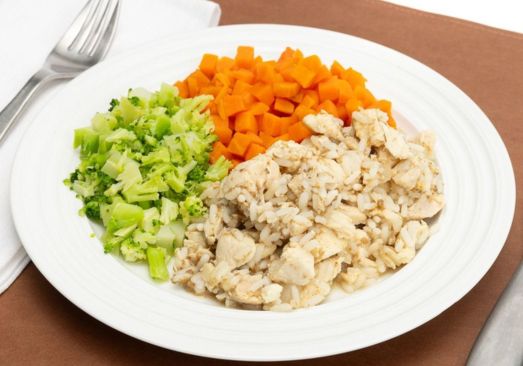
3. Grilled Chicken Breast Over Rice & Gravy
• Diced Carrots
• Green Pea

4. Southern Style Chicken
& Dumplings
• Peach Half
• Winter Blend Vegetables

5. Chicken & Dressing
• Green Peas
• Sweet Potato Patty

6. Breaded Veal Patty
• Mixed Greens
• Diced Sweet Potatoes

7. Baked Chicken Thigh
• Broccoli
• Black-Eyed Peas

Nutritional details for the week:

Sodium: 509 mg
Potassium: 602 mg
Phosphorus: 297 mg
Protein: 28 g

  • Specially Developed for Ongoing Meal Programs
  • Lunches and/or Dinners
  • Consumed by over 12,000 people per day
  • with a 96%+ satisfaction rating
  • Conveniently re-heatable right in the meal packaging provided
  • Can be heated in the oven or microwave
  • Total complete nutritious meals
  • Good variety of meal choices
  • Delivered to your door via UPS and FedEx
  • Dietitian Approved
  • Doctor Recommended

Here are the things you need to worry about with a renal diet:

Phosphorus:

Phosphorus is a mineral that works with calcium to keep your bones healthy and strong. Phosphorus is needed by the body for building and maintaining bones and teeth and for normal nerve and muscle function. When kidney function declines, the body has a difficult time keeping phosphorus and calcium in balance. As a result of this imbalance, the body cannot get rid of excess phosphorus (phosphorus levels increase) and the body cannot take in enough calcium (calcium levels decrease). To try and correct this imbalance the body will “steal” calcium from the bones, which makes the bones weak. Problems associated with high phosphorus levels include itchy skin, bone and joint pain, and brittle bones.

Keep in mind that a large serving size of a low phosphorus food can become a high phosphorus food.


Potassium

Potassium helps to keep your nerves and muscles, especially your heart, working properly. Potassium is a mineral and can be found in many foods. The kidneys are responsible for helping to keep the correct amount of potassium in your body. It can be very dangerous if your potassium level is too high. Too much potassium can make your hear beat irregularly or even stop without warning.


Protein

Diet plays an important role in the management of kidney disease. The diet your physician will ask you to follow will be based upon your level of kidney function, your body size, and any other medical conditions you may have. Your diet may be helpful in delaying the need for dialysis.

Protein is needed to maintain muscles, aid in building resistance to infections, and repair and replace body tissue.

As your body breaks down protein foods, waste products called urea are formed. As kidney function declines, urea builds up in the bloodstream. Eating too much protein may cause urea to build up more quickly. This will make you feel sick.
Eating less protein may be helpful in reducing your blood urea levels.
Reducing protein intake must be monitored by your doctor and dietician.


Sodium

Sodium is needed by the body for many functions such as controlling muscle contractions, balancing fluids, and controlling blood pressure. Healthy kidneys remove excess sodium in the urine. As kidney function declines, sodium and fluids may accumulate in your body. Fluid retention may cause swelling in your eyes, hands, and/or ankles. To keep your sodium level in balance, your doctor may ask you to limit the sodium in your diet.

MagicKitchen.com Renal meals are dietician-designed and doctor-recommended! Call about them- 877-516-2442.

Why Gluten-free?

May 19th, 2010

In patients with celiac disease, gluten injures the lining of the small intestine. This injury can result in weight loss, bloating, diarrhea, gas, abdominal cramps, and/or vitamin and mineral deficiencies. When patients totally eliminate gluten from the diet, the lining of the intestine has a chance to heal.

Here is a list of foods provided by the Mayo Clinic:

Always avoid
In order to avoid eating gluten, avoid food and drinks containing:

* Barley
* Bulgur
* Durham
* Farina
* Graham flour
* Kamut
* Matzo meal
* Rye
* Semolina
* Spelt (a form of wheat)
* Triticale
* Wheat

Avoid unless labeled ‘gluten free’
Avoid these foods unless they’re labeled as gluten free or made with corn, rice, soy or other gluten-free grain. Also check the label to see that they’re processed in a facility that is free of wheat or other contaminating products:

* Beers
* Breads
* Candies
* Cakes and pies
* Cereals
* Cookies
* Crackers
* Croutons
* Gravies
* Imitation meats or seafood
* Oats
* Pastas
* Processed luncheon meats
* Salad dressings
* Sauces (including soy sauce)
* Self-basting poultry
* Soups

Certain grains, such as oats, can be contaminated with wheat during growing and processing stages of production. It’s not clear whether oats are harmful for most people with celiac disease, but doctors generally recommend avoiding oats unless they are specifically labeled gluten free. The question of whether people eating a gluten-free diet can consume pure oat products remains a subject of scientific debate.

Many other products that you eat or that could come in contact with your mouth may contain gluten. These include:

* Food additives, such as malt flavoring, modified food starch and others
* Lipstick and lip balms
* Medications and vitamins that use gluten as a binding agent
* Play dough
* Toothpaste

Cross-contamination also may occur anywhere ingredients come together, such as on a cutting board or a grill surface. You may be exposed to gluten by using the same utensils as others, such as a bread knife, or by sharing the same condiment containers — the condiment bottle may touch the bun, or a knife with bread crumbs may contaminate a margarine stick or mayonnaise jar.

Allowed foods
There are still many basic foods allowed in a gluten-free diet. With all foods, check to see that each is labeled gluten free or call the manufacturer to double-check.

Grains and starches allowed in a gluten-free diet include:

* Amaranth
* Arrowroot
* Buckwheat
* Corn
* Cornmeal
* Gluten-free flours (rice, soy, corn, potato, bean)
* Hominy grits
* Polenta
* Pure corn tortillas
* Quinoa
* Rice
* Tapioca

Check the label when buying amaranth, buckwheat and quinoa. These can be contaminated with gluten during processing.

Other gluten-free foods include:

* Fresh meats, fish and poultry (not breaded, batter-coated or marinated)
* Fruits
* Most dairy products
* Potatoes
* Rice
* Vegetables
* Wine and distilled liquors, ciders and spirits

MagicKitchen.com has a Gluten-free category to make selecting meals much easier.
Check it out at  http://www.magickitchen.com/menu/glutenfree.html

Secrets of the Mediterranean Diet

May 5th, 2010

Our Guest Post this week is written by Eva B. Alexander.

Most people say the Mediterranean diet is high in fat. Can people still lose or maintain weight on a Mediterranean diet?

It is true that Mediterranean diet is high in fats.  However, these are healthy fats consisting of monounsaturated and polyunsaturated fats.  The American diet is rich in saturated fat which is unhealthy.  Generally, the fat content of a diet does not determine weight loss.  It is the calorie intake of people that is decisive.  The Mediterranean diet provides plenty of healthy benefits but if you will not reduce your caloric intake, then you will never lose weight.

What is the major difference between the American and Mediterranean diets?

Americans consume high amounts of red meat, poultry, eggs, and dairy, while the Mediterranean includes very little. The diet also differs from the typical American diet through its dependence on fruits, vegetables, nuts, seeds, olive oil, beans, breads, cereals, and potatoes.

Why do people in the Mediterranean have lower heart disease?

Based on scientific research, the Mediterranean diet has played a significant role in lowering the incidence of cardiovascular disorder in the Mediterranean region.  This type of diet enables you to choose a lot of healthy foods.  It also promotes a holistic approach for enjoying better health.

How does exercise, walking, and physical activity enter into the “recipe” for the Mediterranean diet and health?

Of course, exercise is one of the most crucial aspects of the Mediterranean diet.   When this diet was developed in the sixties, exercise and physical activity were part of the culture of the Mediterranean people.  The development of the Mediterranean diet institutionalized the correct food choices and holistic lifestyle.  With this diet, a daily walk for an hour and once a week whole body exercises are required.

What is the difference between Low Carb and Mediterranean diets?

The main difference between these two types of diet programs is protein.  Generally, the Mediterranean diet has low protein content.  You will only get about 15 percent of your daily calorie consumption from the proteins of the Mediterranean diet.

People observed that wine is included in the Mediterranean diet.  What is the daily recommended amount for wine consumption?

For your general guidance, you have to consume wine in low to moderate amounts.  For male dieters, your daily calorie consumption from wine should be 5 percent.  For women, it should be lower or about 2.5 percent.

Final word of advice

The Mediterranean diet is a good program that can help you achieve good health.  This type of diet can help prevent cardiovascular diseases.  The key is to eat foods that are rich in Omega 3 and combine these with root crops, vegetable, fruits, breads, and cereals.

About the Author – Eva B. Alexander writes for the sample mediterranean diet blog, her personal hobby website focused on Mediterranean diet, healthy eating, tips to live better and longer.

We’re so busy!!

April 27th, 2010

There are too many things going on at MagicKitchen.com to do a long blog this week! New products are being cooked by our chefs, flash frozen and sent to the distribution center. Our artist is creating the catalog. Our erstwhile chief, Greg, is working mega hours making sure everything comes together. Our VP Michelle is keeping up the same pace, creating new bundles, taking courses, and marketing.

I’m creating a new look for the website, adding products to the database, adding promotional coupons, and creating new website pages every day. BBQ chicken thighs, more sliced turkey, stuffed pork tenderloin and sage stuffed chicken are on there way soon, and I can’t wait to try them! More to come, keep your ears open.