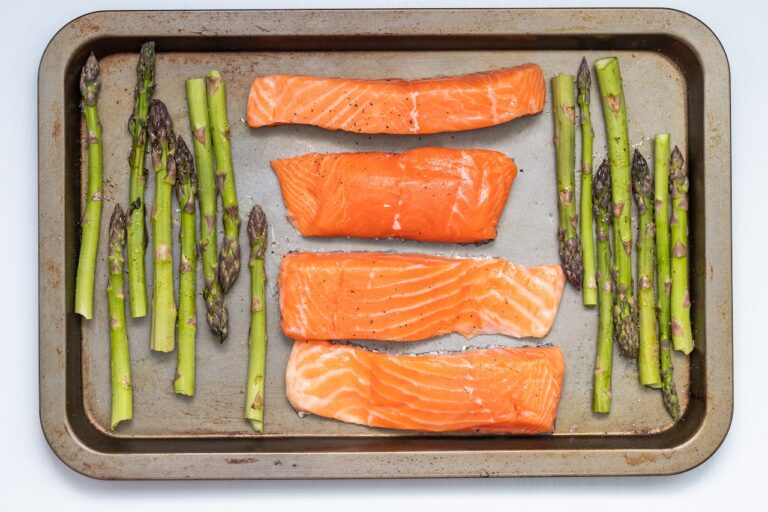
Kidney failure requires a special diet. When your kidneys no longer work properly, waste products and fluids build up in your blood. Although dialysis replaces the work load of your kidneys and removes these waste products, they can build up in your body between dialysis, so it’s important that you follow a specific renal diet plan and control the amounts and types of foods and fluids you take in everyday. For example, in general, it is best to reduce your intake of certain nutrients such as phosphorous, potassium and sodium.
Important: Before making any changes to your diet, make sure you discuss them with your doctor or dietitian.
MagicKitchen.com offers a variety of meal packs for special diets. Originally these meal packs were designed for low sodium, diabetic friendly, portion controlled diets. We now are introducing meal packs for pre-renal and renal diets (Patients on Dialysis).
Here’s a sample 7 meal pack:
1. BBQ Pork Rib Patty
• Sweet Potato Casserole
• Green Peas
2. Grilled Chicken Strips & Penne w/ Tomato Basil Sauce
• Summer Blend Vegetables
• Green Beans
3. Grilled Chicken Breast Over Rice & Gravy
• Diced Carrots
• Green Pea
4. Southern Style Chicken
& Dumplings
• Peach Half
• Winter Blend Vegetables
5. Chicken & Dressing
• Green Peas
• Sweet Potato Patty
6. Breaded Veal Patty
• Mixed Greens
• Diced Sweet Potatoes
7. Baked Chicken Thigh
• Broccoli
• Black-Eyed Peas
Nutritional details for the week:
Sodium: 509 mg
Potassium: 602 mg
Phosphorus: 297 mg
Protein: 28 g
- Specially Developed for Ongoing Meal Programs
- Lunches and/or Dinners
- Consumed by over 12,000 people per day
- with a 96%+ satisfaction rating
- Conveniently re-heatable right in the meal packaging provided
- Can be heated in the oven or microwave
- Total complete nutritious meals
- Good variety of meal choices
- Delivered to your door via UPS and FedEx
- Dietitian Approved
- Doctor Recommended
Here are the things you need to worry about with a renal diet:
Phosphorus:
Phosphorus is a mineral that works with calcium to keep your bones healthy and strong. Phosphorus is needed by the body for building and maintaining bones and teeth and for normal nerve and muscle function. When kidney function declines, the body has a difficult time keeping phosphorus and calcium in balance. As a result of this imbalance, the body cannot get rid of excess phosphorus (phosphorus levels increase) and the body cannot take in enough calcium (calcium levels decrease). To try and correct this imbalance the body will “steal” calcium from the bones, which makes the bones weak. Problems associated with high phosphorus levels include itchy skin, bone and joint pain, and brittle bones.
Keep in mind that a large serving size of a low phosphorus food can become a high phosphorus food.
Potassium
Potassium helps to keep your nerves and muscles, especially your heart, working properly. Potassium is a mineral and can be found in many foods. The kidneys are responsible for helping to keep the correct amount of potassium in your body. It can be very dangerous if your potassium level is too high. Too much potassium can make your hear beat irregularly or even stop without warning.
Protein
Diet plays an important role in the management of kidney disease. The diet your physician will ask you to follow will be based upon your level of kidney function, your body size, and any other medical conditions you may have. Your diet may be helpful in delaying the need for dialysis.
Protein is needed to maintain muscles, aid in building resistance to infections, and repair and replace body tissue.
As your body breaks down protein foods, waste products called urea are formed. As kidney function declines, urea builds up in the bloodstream. Eating too much protein may cause urea to build up more quickly. This will make you feel sick.
Eating less protein may be helpful in reducing your blood urea levels.
Reducing protein intake must be monitored by your doctor and dietician.
Sodium
Sodium is needed by the body for many functions such as controlling muscle contractions, balancing fluids, and controlling blood pressure. Healthy kidneys remove excess sodium in the urine. As kidney function declines, sodium and fluids may accumulate in your body. Fluid retention may cause swelling in your eyes, hands, and/or ankles. To keep your sodium level in balance, your doctor may ask you to limit the sodium in your diet.
MagicKitchen.com Renal meals are dietician-designed and doctor-recommended! Call about them- 877-516-2442.